Drop Thesis Website Header (4).png

Resources

The science of psilocybin and its use to relieve suffering

In this TedMed talk, leading psychopharmacologist Roland Griffiths discloses the ways that psychedelic drugs can be used to create spiritually meaningful, personally transformative experiences for all patients, especially the terminally ill.

Curious? Book a free consultation to learn more.

Book Now

The Drop Thesis Resources page is here to support you before, during, and after your journey. Inside you’ll find articles, research, and integration tools to deepen your understanding and help you prepare with confidence. Whether you’re curious about psilocybin, getting ready for a session, or weaving insights into daily life, these resources are designed to guide you with clarity, safety, and care. Knowledge is part of the journey. 


Articles
This article explores how psychedelics can create lasting brain change—revealing how a single guided experience may lead to deep, long-term healing and transformation.

This event blends Bend’s First Friday Art Walk with a guided microdosing experience, inviting deeper presence, emotional resonance, and connection with art and self.
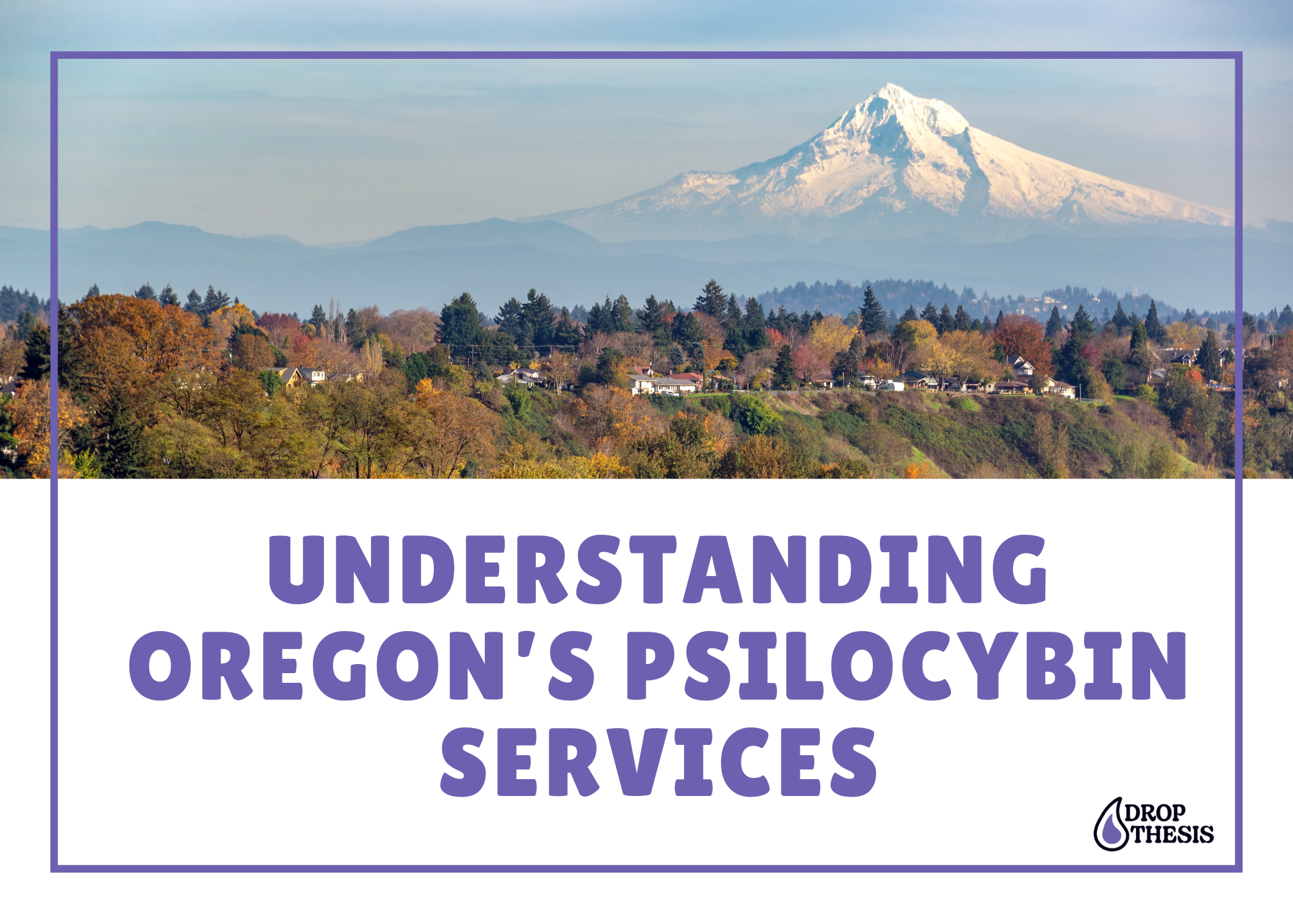
This article explores Oregon’s groundbreaking Measure 109, the first U.S. law to establish a regulated framework for legal, supervised psilocybin services and facilitation.

This fall in Central Oregon, embrace the season with presence and purpose—breathe deeply, slow down, and rediscover the beauty of showing up fully in your own life.

Links

Johns Hopkins Psychiatry & Behavioral Sciences delivers leading research, patient-first care, and training in mental health. (More)
The Johns Hopkins Center for Psychedelic & Consciousness Research is leading the way in exploring innovative treatments using psilocybin. (More)
Evidence from 2011–2021 studies suggests psychedelics can safely ease anxiety when standard treatments fall short for many. (More)
Logo of the National Library of Medicine featuring an arrow shape with 'NLM' inside and text beneath reading 'National Library of Medicine'.

NIDA’s psilocybin guide: effects, risks, safety concerns, legal status, and current research on therapeutic potential. (More)
Videos

Dr. Andrew Huberman explains how psilocybin interacts with serotonin receptors in the brain, exploring its effects on mood, neuroplasticity, and mental health.

This episode explores psilocybin journeys—their phases, dosage types, safe use, risks, benefits, and evolving legal and clinical landscape in mental health research.

Fantastic Fungi (2019), directed by Louie Schwartzberg, blends time-lapse visuals, CGI, and expert interviews to reveal the hidden world, beauty, and power of mushrooms.

Dr. Rosalind Watts shares insights from Imperial College’s psilocybin-for-depression study, revealing patient transformations and lessons from her therapeutic work.

This Netflix series, How to Change Your Mind, follows Michael Pollan as he explores LSD, psilocybin, MDMA, and mescaline—tracing their history, science, and healing potential.

Michael Pollan discusses How to Change Your Mind, exploring the modern psychedelic renaissance through science, spirituality, and his own journey into consciousness.

Podcasts

Dr. Jaster and researcher Kayla Greenstien explore the role of touch in psychedelic therapy—defining types of touch, consent, and the theories behind body-centered healing.

This episode explains what psilocybin is and how it triggers neuroplasticity—rewiring the brain to create lasting changes in mood, thinking, and behavior.

Dr. Robin Billings explores the history and regulation of psilocybin in the U.S. and indigenous cultures, offering insight into its evolving future applications.

This discussion explores psychedelics and mental health—psilocybin for trauma and eating disorders, SSRIs vs. psilocybin for depression, LSD dosing methods, and MDMA with self-compassion in PTSD therapy.

Jonny shares how losing his fiancée led him to grief work, psychedelics, and stress physiology, exploring how nervous system mastery supports deeper healing journeys.

Jeff and Dr. Lindsey Lerner discuss the emerging field of psilocybin therapy—its complexities, mental health potential, and insights from Jeff’s own transformative experience.

Books

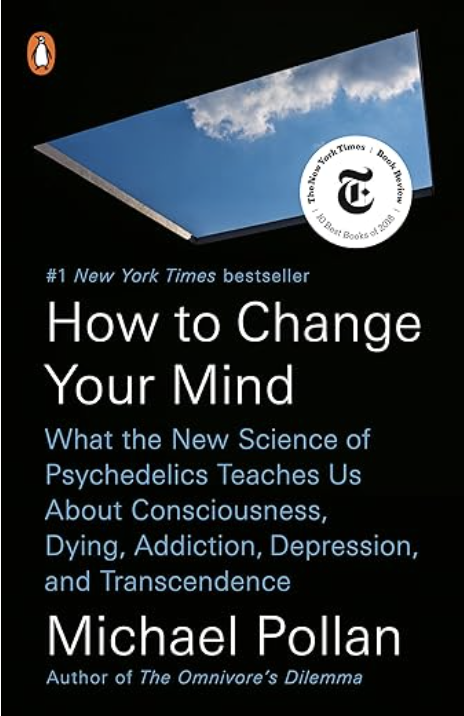
Book cover titled "How to Change Your Mind" by Michael Pollan, with a background image of a blue sky and clouds, and logos of The New York Times and The Onion on the cover.
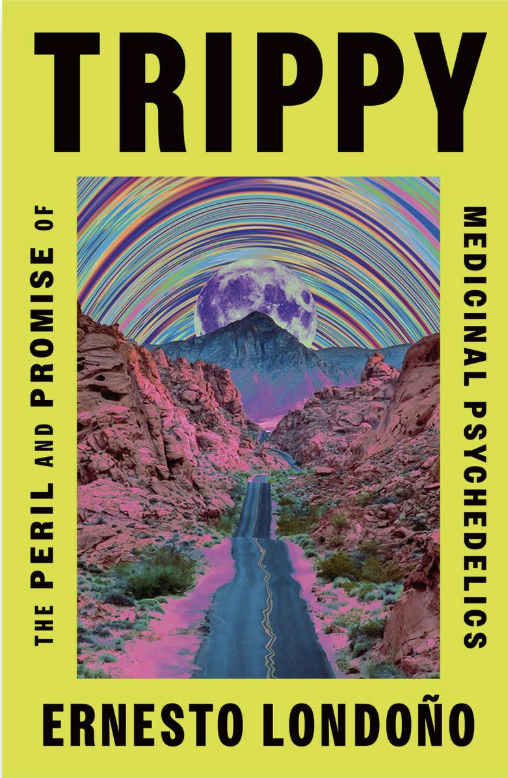
Book cover titled "Trippy" by Ernesto Londoño, featuring vibrant psychedelic landscape with mountains, a winding road, a large moon, and colorful swirling sky.
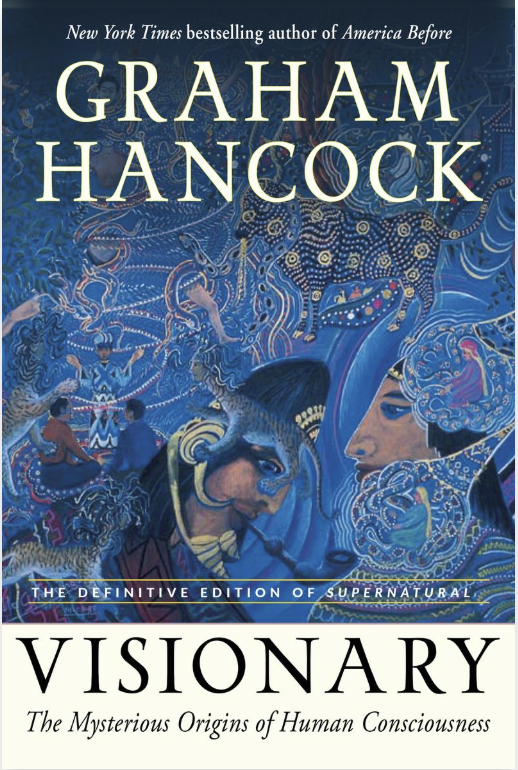
Book cover of 'VIsionary: The Mysterious Origins of Human Consciousness' by Graham Hancock, featuring a vibrant blue and multicolored mystical illustration.
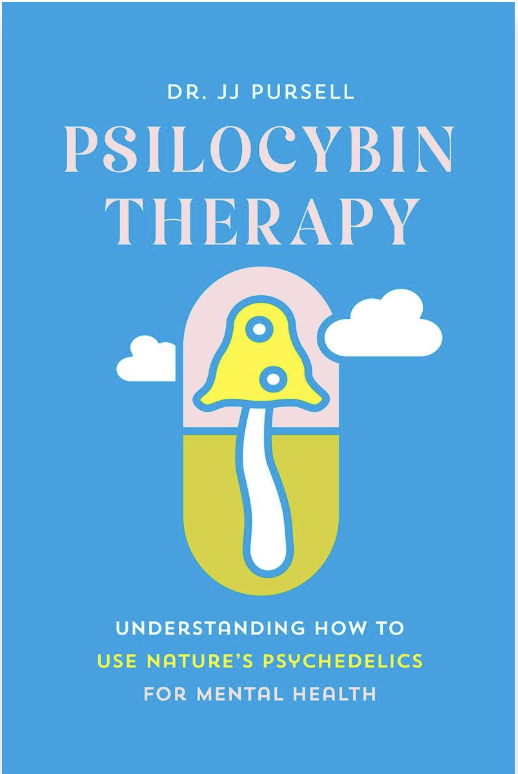
Book cover titled "Psilocybin Therapy" by Dr. JJ Pursell, with a blue background, featuring an abstract mushroom illustration and clouds, and the subtitle "Understanding how to use nature's psychedelics for mental health".

Playlists